

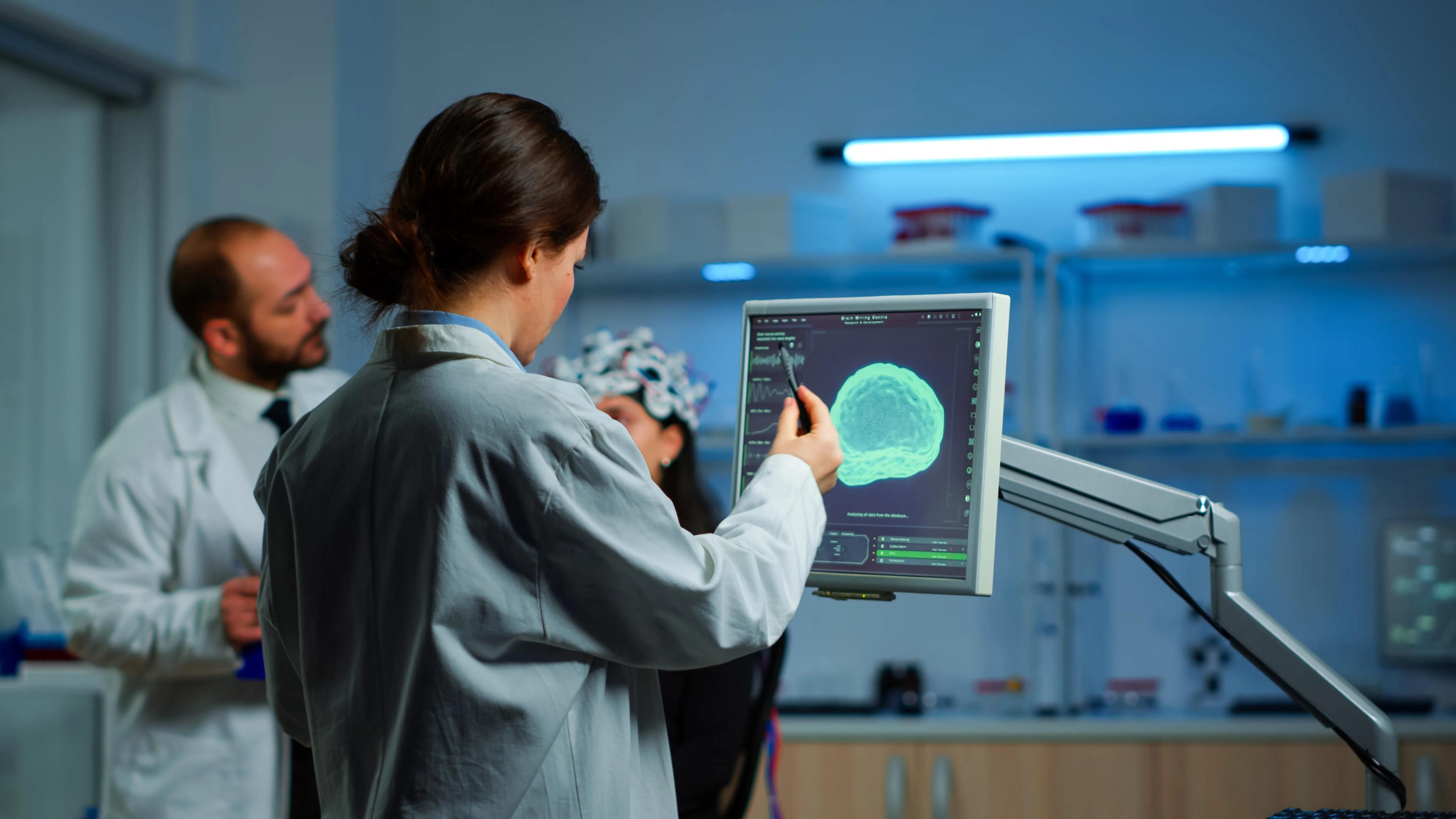
Best Neurosurgeon in LB Nagar
Brain and spine health plays an important role in maintaining overall well-being and quality of life. When someone experiences persistent headaches, neurological symptoms, back pain, nerve compression, or other nervous system concerns, consulting a qualified neurosurgical specialist can help them understand their condition and available treatment options.
If you are searching for the Best Neurosurgeon in LB Nagar, learning about neurosurgical expertise, diagnostic evaluation, and modern treatment approaches can help you make informed healthcare decisions.
Who Is a Neurosurgeon?
A neurosurgeon is a medical specialist trained to diagnose and surgically manage conditions affecting the brain, spinal cord, spine, and nervous system. Neurosurgical care may involve both traditional and minimally invasive procedures, depending on the patient's condition and medical requirements.
Conditions Managed by a Neurosurgeon
A neurosurgeon may evaluate and manage several brain and spine-related conditions, including:
Brain tumors and other brain abnormalities
Head injuries and traumatic brain conditions
Slipped disc and herniated disc
Spinal stenosis and degenerative spine disorders
Spinal cord compression
Nerve compression and certain neurological conditions
Selected spinal injuries and disorders
The appropriate treatment depends on the diagnosis, severity of symptoms, medical history, and overall health of the individual.
Common Conditions Treated by a Neurosurgeon in LB Nagar
Neurosurgical specialists manage several conditions affecting the brain and spine. Understanding these conditions can help individuals recognize when specialist evaluation may be appropriate.
Medical Condition | Description |
|---|---|
Brain Tumors | Abnormal growths that develop in or around the brain |
Slipped Disc | Displacement or herniation of spinal disc material |
Spinal Stenosis | Narrowing of spaces within the spine |
Head Injuries | Trauma affecting the head and potentially the brain |
Nerve Compression | Pressure on nerves that may cause pain, numbness, or weakness |
Spinal Cord Compression | Pressure on the spinal cord that may affect movement and sensation |
Degenerative Disc Disease | Age-related changes affecting spinal discs |
The treatment approach depends on the type of condition, its severity, and the patient's individual medical requirements.
Brain Surgery and Spine Surgery: Understanding the Difference
Although both procedures fall under neurosurgery, brain surgery and spine surgery address different medical conditions.
Brain Surgery | Spine Surgery |
|---|---|
Focuses on conditions affecting the brain | Focuses on conditions affecting the spine and spinal cord |
May involve selected brain tumors | May involve herniated discs |
Can address certain traumatic brain injuries | Can address spinal stenosis |
May involve procedures for structural brain abnormalities | May involve procedures for nerve compression |
Requires specialized brain imaging and evaluation | May require MRI, CT scans, and spinal evaluation |
A neurosurgeon determines the appropriate surgical approach after reviewing the patient's condition and diagnostic reports.
Brain and Spine Surgery: Modern Treatment Approaches
Advances in neurosurgery have introduced different surgical approaches for managing complex brain and spine conditions. Depending on individual needs, treatment options may include:
Brain Surgery: Surgical procedures for selected brain tumors, traumatic injuries, and other structural brain conditions.
Spine Surgery: Procedures for certain slipped discs, spinal stenosis, spinal instability, and nerve compression.
Minimally Invasive Spine Surgery: Selected procedures that use smaller incisions and specialized instruments when clinically appropriate.
Not every patient requires surgery. A neurosurgeon evaluates the condition and discusses suitable treatment options.
How to Choose the Best Neurosurgeon in LB Nagar
Choosing a neurosurgeon is an important healthcare decision. Consider the following factors:
Qualifications: Review the specialist's medical education and neurosurgical training.
Clinical Experience: Understand their experience in managing relevant brain and spine conditions.
Treatment Approach: Look for clear explanations of diagnosis and available treatment options.
Hospital Facilities: Consider access to appropriate diagnostic and surgical facilities.
Patient Communication: Choose a specialist who explains medical concerns and treatment plans clearly.
When Should You Consult a Neurosurgeon?
Consider seeking medical evaluation if you experience persistent or worsening symptoms such as severe back pain, radiating leg pain, numbness, weakness, or neurological problems.
Sudden weakness, facial drooping, difficulty speaking, seizures, or a sudden severe headache require immediate emergency medical attention.
Visit For More : Neurosurgeon in Saidabad
Frequently Asked Questions (FAQs)
1. Who is a neurosurgeon?
A neurosurgeon is a specialist who diagnoses and surgically treats conditions affecting the brain, spine, spinal cord, and nervous system.
2. What conditions does a neurosurgeon treat?
Neurosurgeons manage conditions such as brain tumors, head injuries, slipped discs, spinal stenosis, nerve compression, and selected neurological disorders.
3. When should I consult a spine surgeon?
You may need a spine specialist's evaluation for persistent back pain, radiating leg pain, numbness, weakness, or diagnosed spinal disorders.
4. Does every brain or spine condition require surgery?
No. Many conditions can be managed with non-surgical treatments. Surgery is considered when medically appropriate based on the patient's diagnosis and condition.
5. How can I find the Best Neurosurgeon in LB Nagar?
Review the specialist's qualifications, relevant surgical experience, hospital facilities, treatment approach, and ability to explain medical options.
Conclusion
Finding the right neurosurgical information is an important step toward understanding brain and spine health. If you are researching the Best Neurosurgeon in LB Nagar, consider specialist qualifications, clinical experience, diagnostic facilities, and appropriate treatment options before making a healthcare decision.
Making informed choices and seeking timely medical evaluation can support better understanding and management of brain and spine conditions
Note: This Content Educational purpose only